
The Nature of Luck in Gambling
Luck is often perceived as a mysterious force that can dictate outcomes, especially in the gambling world. At a casino table, players frequently attribute their wins or losses to luck, weaving a narrative that connects fortune with favorable outcomes. This perspective invites questions about the roles of chance and skill in determining success, particularly when players turn to canadian betting sites to enhance their strategies. While luck can undeniably play a part in a single game, its effect varies greatly depending on the game type and the player’s experience and knowledge.
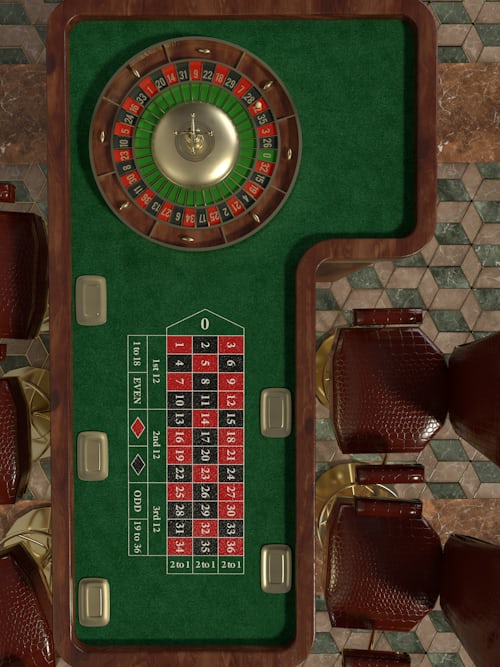
The randomness of games like slots and roulette exemplifies how luck can substantially influence results. These games are designed with outcomes that are entirely chance-based, meaning players often rely heavily on the whims of fortune. However, the notion of luck becomes more complex when considering games with strategic elements, such as poker. In poker, while chance plays a role in the cards dealt, a skilled player can leverage their knowledge and decision-making abilities to tilt the odds in their favor. Therefore, understanding the difference between games of luck and those requiring skill is crucial for any prospective casino visitor.
Moreover, the psychological aspect of luck cannot be overlooked. Players frequently experience a sense of confidence or hope, rooted in the belief that luck is on their side. This belief can lead to the phenomenon known as the “gambler’s fallacy,” where individuals mistakenly think their previous outcomes will influence future results. This psychological construct emphasizes how much our perception of luck intertwines with our mindset, adding another layer to understanding how luck influences player success at the casino.
The Role of Skill in Casino Games
While luck may seem like the dominant force in gambling, skill often plays a pivotal role, particularly in games where strategic thinking is essential. In card games like blackjack or poker, players must be adept at making strategic decisions based on probabilities and their understanding of game dynamics. Knowledge of the rules, the ability to read opponents, and effective bankroll management are all vital skills that can lead to success at the casino. Consequently, these games tend to favor players who invest time in improving their strategy rather than relying solely on luck.
In contrast, many slot machines and roulette games hinge primarily on luck, with little to no significant skill component involved. Nonetheless, even in these games, having an understanding of payout structures and odds can enhance a player’s experience and potentially influence their betting strategy. For instance, a player who comprehends the variance in different slot machines might opt to play those offering higher volatility, allowing for potentially larger payouts, albeit at the cost of longer dry spells. This strategic approach illustrates that while luck is inherent in casino games, skill can be leveraged to navigate and optimize one’s gaming experience.

Additionally, even games heavily reliant on luck can become more rewarding with experience. Players who frequently visit casinos develop a more refined intuition regarding when to capitalize on their luck and when to walk away. This enhanced sense of timing is a form of skill that develops through exposure and experience at the tables, demonstrating that while luck can influence any single outcome, skill can significantly modify overall success in the long term.
The Luck Factor: Stories and Anecdotes
Numerous stories of incredible luck at casino tables abound, often fueling the romantic notion of gambling. From individuals hitting massive jackpots on slot machines to players transforming small bets into substantial winnings, these narratives emphasize the allure of fortune. Such accounts captivate the imagination and provide a sense of hope that luck could strike at any moment. However, while engaging with these stories, it’s crucial to reflect on the broader context and understand that they represent singular events rather than consistent trends.
Furthermore, the gambling world is replete with tales of both triumph and disaster, illustrating that luck can be fleeting. A person may win big on a single night only to encounter losses in subsequent visits. These contrasting experiences underscore the unpredictable nature of chance in gambling. Nevertheless, the allure of occasional success continues to entice players to casino tables, as the potential for luck remains a significant motivator for many.
There is also a social aspect to luck in casinos. Players often share their experiences, whether it’s a recent big win or loss, and these discussions help cultivate a narrative around luck that is both community-driven and personal. This sense of camaraderie at the tables can create an atmosphere of shared hope and excitement, enhancing the overall experience and illustrating how luck is not just a personal journey but a collective one as well.
The House Edge: Understanding the Odds
When exploring the relationship between luck and success at a casino table, one must also consider the house edge. This term refers to the inherent advantage that casinos have over players, ensuring that, over time, the house will always make a profit. Understanding the house edge is crucial because it highlights the reality that while luck may favor individual players in the short term, the odds are stacked against them in the long run. This knowledge should prompt players to approach gambling with caution and to recognize that their success is always tempered by this built-in disadvantage.
For instance, in games like blackjack, the house edge can be minimized through effective strategy, such as understanding when to hit or stand. However, in games like keno, the house edge is significantly higher, meaning that luck plays a more substantial role in the likelihood of winning. Players who are aware of these dynamics can make informed choices about which games to play, thus influencing their overall success and enhancing their gambling experience.
Ultimately, while luck can momentarily provide a thrill or an unexpected victory, understanding the implications of the house edge is vital for long-term success at the casino. By recognizing that each game carries its own odds, players can better navigate their experiences, potentially increasing their enjoyment and minimizing losses. Knowledge becomes a powerful ally in the unpredictable landscape of gambling.
Exploring More About Casinos
Understanding the complexities surrounding luck and skill in gambling can significantly enhance the overall experience of visiting a casino. Players who educate themselves about the odds, the nature of each game, and their personal approach to betting can find a more rewarding experience. The interplay of chance and strategy creates a rich tapestry of decision-making that can lead to success at the tables, whether that success is measured in terms of financial winnings or the joy of the game itself.
Moreover, learning about the various aspects of casino gaming can lead players to discover new games that align with their interests and skills. From table games to electronic versions, each offers a unique blend of luck and strategy. Engaging with the gaming community, studying different approaches, and sharing experiences can enrich a player’s understanding and enjoyment, ultimately enhancing their casino experience.
Whether you are a seasoned player or a newcomer, understanding the dynamics of luck versus skill can help you make more informed decisions at casino tables. This knowledge not only enhances your chances of success but also allows you to appreciate the thrill of gambling in a more profound way. Taking the time to explore, study, and engage with the casino atmosphere can transform casual visitors into knowledgeable players who are better equipped to navigate the ups and downs of luck in this exciting realm.